Across Nigeria today, one message is becoming clear.
Global investors are no longer just looking for land or buildings. They are looking for cities that make sense, cities with vision, order, and leadership that understands how capital thinks.
Recent engagements between the Lagos State Government and international real estate developers point to something deeper than projects. They point to trust. The kind of trust that takes years to build, and seconds to lose.
Lagos did not arrive here by accident. Over time, it has positioned itself as a place where investors believe their money, their assets, and their long-term plans will be respected. 
That is the real currency of great cities – Confidence.
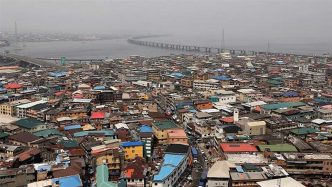
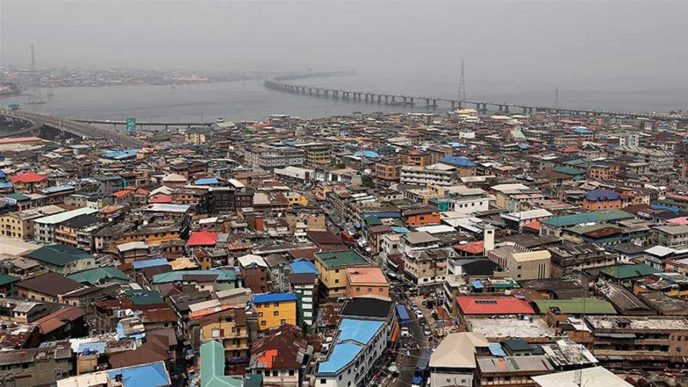
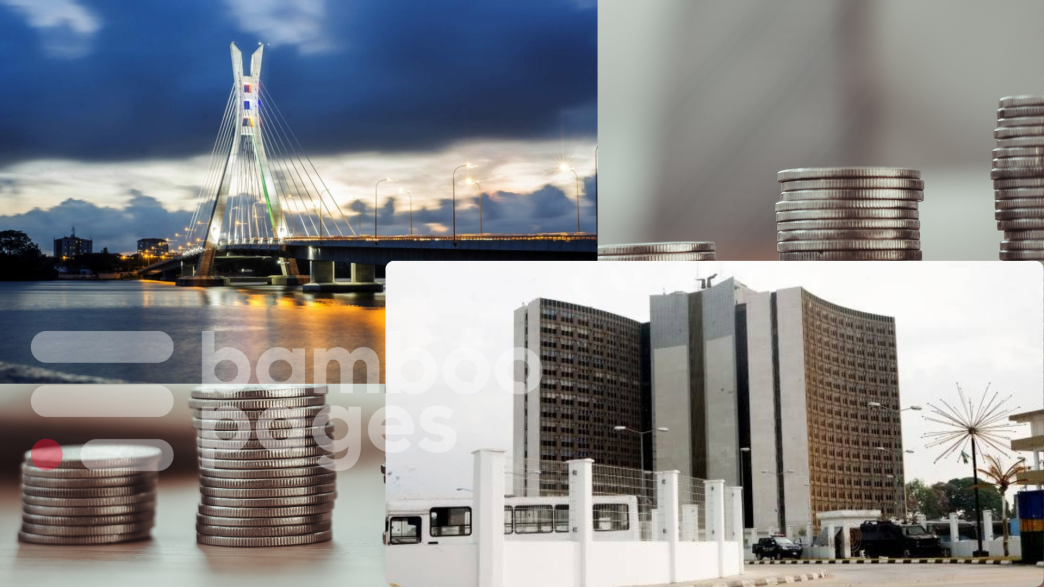
What Lagos has built goes beyond buildings. From Ikoyi to Victoria Island, from Lekki to Eko Atlantic, Lagos has shown what happens when government, infrastructure, and private capital move in the same direction. These places were not always prime. They became prime because policy, roads, planning, and consistent signals encouraged early believers.
Today, those corridors are shaping wealth, jobs, and global attention.
And it leaves us with an important question in the South-South.
Is Port Harcourt Ready to Send the Same Signal?
Rivers State, under the leadership of Governor Siminalayi Fubara, sits on enormous potential. Strategic coastal access. Oil and gas history. A young and energetic population. A strong private sector culture.
But the next phase of growth will not come from history. It will come from deliberate choices.
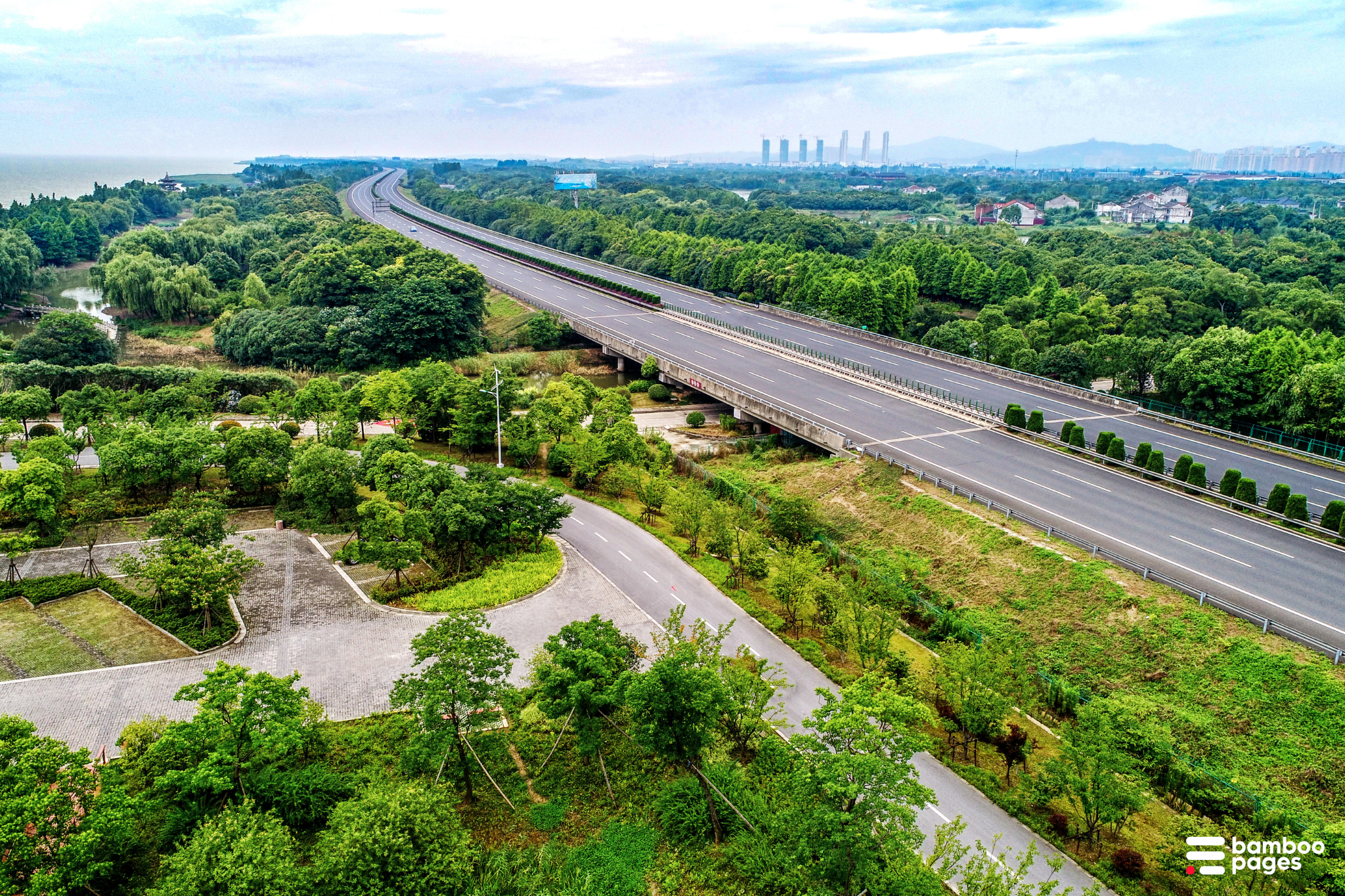
If we look closely, corridors like the Airport Road, Obirikwerre axis already show the early signs of what Ikoyi and Victoria Island once were, raw, underestimated, and full of possibility. With the right attention, this axis can become a new premium urban stretch for Port Harcourt, a place where business, housing, hospitality, and innovation converge.
Government needs to pay close attention to these emerging zones.
Not after they explode. But now, while they are still forming.
Rivers State Must Think Beyond Port Harcourt
One of the biggest lessons from successful cities is this, growth must be spread.
Rivers State cannot be built only around the old Port Harcourt core. The future lies in opening up new urban fronts, creating room for expansion, and intentionally developing suburbs and satellite towns.
This is where bold leadership matters.
The state should open up new development corridors across LGA, Invest in access roads, drainage, and basic infrastructure early, Provide planning clarity and fast approvals in new zones, encourage mixed-use developments that bring life, not just houses, more importantly, Rivers State should begin to distribute state presence.
Imagine ministries, agencies, institutions, and public assets deliberately located in suburbs and new growth areas. New cities can be opened up in Emuoha, Ahoada, Bori, Etche, and even as far as opening up the riverine areas and expose the state to the tourism potential it holds. This single move can pull private developers into those areas, create instant demand for housing and services, decongest the city center, create new job clusters, expand the economic map of the state.
That is how cities multiply themselves.
Treat Local Investors as Strategic Partners
Here is a truth we must not ignore.
How a government treats its local developers, landowners, and entrepreneurs is exactly how global investors assume they will be treated.
If local investors feel uncertain about policies, frustrated by bureaucracy, unprotected in disputes, or are ignored in planning, then no international roadshow can fix that image.
Global capital watches quietly. They study patterns. They listen to stories. They follow how government behaves when things go wrong, not just when things are going well.
If Rivers State wants to attract global developers, it must first become the best place for its own people to build.
Incentivize Developers to Build the Future
Government cannot build cities alone. Rivers State should intentionally design incentives that make developers partners in expansion, such as, land access in new corridors, tax reliefs for pioneer projects, fast-track approvals for strategic developments, public-private infrastructure partnerships, joint city-scale projects with long-term vision.
When developers see that government is serious about growth, they will bring ideas, capital, and networks that multiply impact far beyond public budgets.
What This Means for Jobs and Opportunity
City expansion is not just about real estate.
It is about construction jobs, professional services, retail and hospitality, transport and logistics, tech and creative hubs, and SMEs that serve new communities.
Every new corridor opened is a new economy created.
For Rivers State, this is a chance to unlock thousands of jobs, empower young people, and give the private sector room to breathe and grow.
The Signal Rivers State Must Send
At this moment in our history, Rivers State has an opportunity to redefine itself.
To say clearly, we are open, we are structured, we protect investments, we build with partners, we are thinking decades ahead.
Under Governor Siminalayi Fubara, this is the kind of signal that can reposition Rivers State as the investment heartbeat of the South-South.
Because in the end, capital does not chase noise.
It follows clarity, it follows consistency and it follows confidence. And the cities that understand this early are the ones that quietly shape the future.
At bamboo real estate and construction limited, we believe the next great Nigerian city story can be written from Rivers State, if the right choices are made now.
The author Oséyómón Ighodaloh is an entrepreneur and CEO of bamboo group limited, dedicated to Africa’s development through innovation and business development. He writes from Abuja, Nigeria. Oseyomonighodaloh@gmail.com