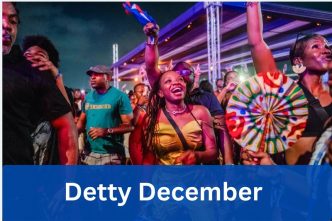
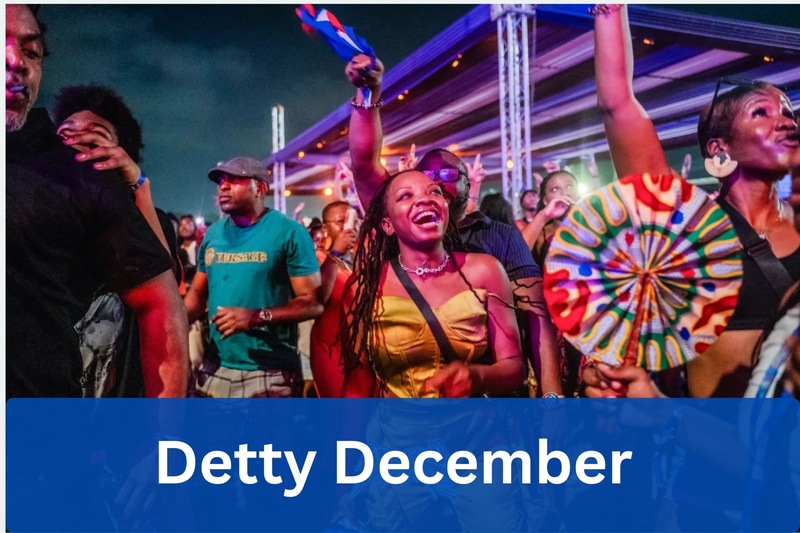
Every January, Nigeria wakes up from Detty December with the same familiar silence. Hotels that were fully booked suddenly have vacancies. Restaurants slow down. Drivers wait longer for trips. Vendors pack away stalls. Freelancers chase payments.
And yet, we accept this as normal.
Detty December is no longer a coincidence or a cultural accident. It is a functioning economic system. Lagos has already proven this. What we have failed to do is structure it. 
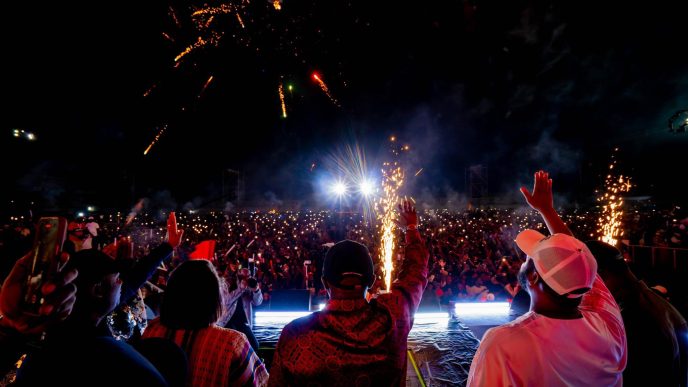
In 2024 alone, Lagos generated over ₦100 billion in tourism-related activity during the Detty December period. More than one million visitors passed through the city. Hotels, short-let apartments, nightlife venues, airlines, creatives, vendors, and service providers all benefitted. These are not vibes. These are measurable economic outcomes.
So the real question is not whether Detty December works. It does.
The real question is why we keep compressing a working model into 31 days.
The morning after December
Detty December creates a surge economy. Spending spikes quickly and disappears just as fast. Show promoters and large event organizers often benefit the most because they control access to attention, ticketing, and sponsorship. Around them, thousands of smaller businesses earn income but without continuity.
When December ends, demand collapses. Jobs disappear. Momentum is lost.
This is not a creativity problem. It is a structure problem.
Lagos has done the hard part
Lagos has earned its place as Africa’s December capital. That success should now become a national advantage.
A visitor who lands in Lagos should have a clear reason to continue their journey to Abuja, Port Harcourt, Calabar, or other cities. Not randomly, but intentionally. This is how seasonal tourism becomes an ecosystem.
Rivers State and the Port Harcourt opportunity
Rivers State does not need to become the next Lagos. It should become the South-South capital of leisure, culture, and curated experiences.
With its cultural depth, waterfront potential, creative talent, and hospitality base, Port Harcourt can host predictable cultural weeks, food festivals, art markets, waterfront leisure, diaspora mixers, and premium lifestyle events.
Rivers already has cultural assets. What it needs is consistency, packaging, and international storytelling. People travel for culture, they return for structure.
Abuja and the premium December economy
Abuja’s strength is not chaos. It is credibility.
As Nigeria’s capital, Abuja can dominate the high-value December economy. Business summits, cultural showcases, embassy-backed events, diaspora investment forums, and curated nightlife can coexist in a controlled, premium environment.
Abuja should not chase Lagos energy. It should own December sophistication.
Why it must go beyond December
If one state can generate over ₦100 billion in one month from tourism, then the real opportunity is extension, not repetition. Quarterly cultural seasons, weekly night markets, monthly festivals, rotational concerts, creative infrastructure.
Tourism does not grow on hype. It grows on calendars.
The lessons are clear, diaspora tourism is real, culture is economic policy and cities that win build systems, not just shows.
What government must do
Support should focus on enablement, not control, clear night-time economy policies, predictable event licensing, tourism-friendly security, transport planning and infrastructure, Incentives for hospitality and venue development, city branding backed by real experiences.
Culture grows fastest when policy removes friction.
A Nigerian and African blueprint
Detty December proves African cities can host globally competitive cultural seasons. The spending power exists. The demand exists. The global attention is already here.
Lagos as the entry point, Abuja as the premium capital, Rivers State as the leisure and cultural hub.
Detty December is not the goal, a Detty Economy is.
The author Oséyómón Ighódálóh is an entrepreneur and CEO of bamboo group limited, dedicated to Africa’s development through innovation and business development. He writes from Abuja, Nigeria. Oseyomonighodaloh@gmail.com